Blog
Color Wrap Film: The Complete Guide to Vehicle Color Change Wraps
18 Jun 2026
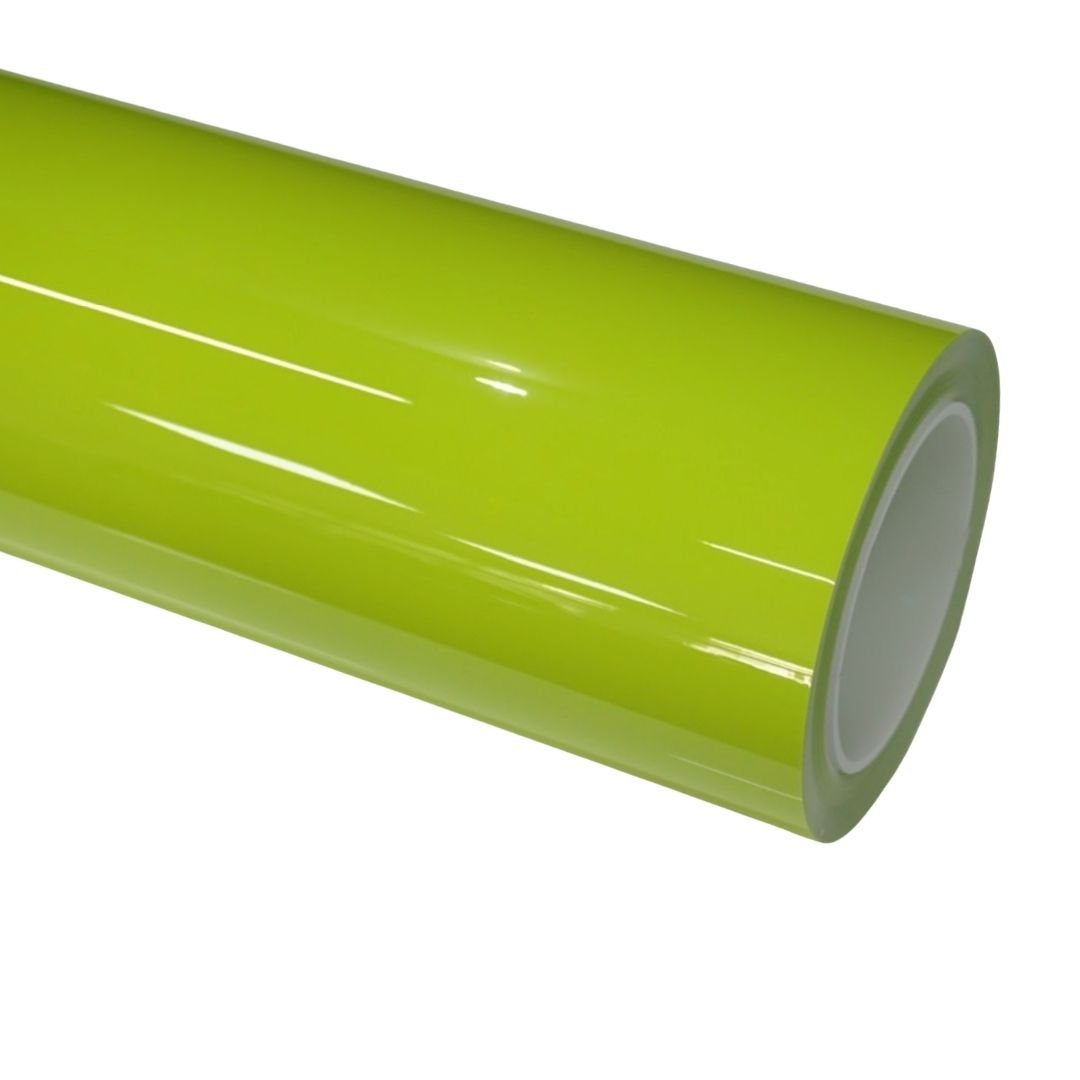
Few upgrades change the personality of a vehicle as instantly and dramatically as a color wrap. Whether you want a bold matte finish, a deep gloss color swap, or a subtle factory-look refresh, vinyl color wraps have become one of the most popular ways to transform a car's appearance without committing to a permanent repaint. This guide covers everything you need to know before booking a wrap — from finish types to maintenance and cost.
What Is a Color Wrap, Exactly?
A color wrap is a vinyl film applied over a vehicle's factory paint to change its color, finish, or both. Unlike paint protection film, which is designed to be optically clear and invisible, color wrap is designed to be seen — it's a styling product first, though quality wrap films also offer a meaningful layer of protection for the paint underneath against minor scratches, sun fading, and light environmental wear.
Modern wrap film is engineered in multiple layers: a cast or calendared vinyl base, a color or pattern layer, and a pressure-sensitive adhesive backed by an air-release liner that allows installers to reposition the film and push out trapped air during application. High-quality wrap film uses the same caliber of TPU-adjacent materials and adhesive technology found in premium PPF, which is why material sourcing matters just as much here as it does for paint protection film.
Why Vehicle Owners Choose Color Wrap
The most obvious reason is aesthetics — a wrap lets you completely change a vehicle's look, whether that's switching from a common factory color to something rare and eye-catching, or going in the opposite direction with a stealthy matte black or gunmetal finish. For car enthusiasts, this level of customization at a fraction of custom paint cost is hard to beat.
Resale value is another major factor. Because a quality wrap protects the original factory paint underneath, removing it later typically reveals paint in excellent condition — something a full repaint can never offer, since repainting permanently alters the vehicle's original finish. This makes wraps particularly appealing for leased vehicles, company fleets, and owners who like to change their car's look every few years without affecting long-term value.
Wraps are also significantly faster to apply than a full repaint and don't involve sanding, primer, or baking — which means far less risk to the vehicle's original factory finish and components.
Gloss, Matte, Satin, Metallic, and Chrome: Choosing a Finish
**Gloss wraps** mimic a traditional high-shine paint finish and are often chosen by owners who want a color change without sacrificing the deep, reflective look of factory paint.
**Matte wraps** have become hugely popular for their modern, aggressive, non-reflective appearance. Matte finishes show fingerprints and water spots differently than gloss finishes and require slightly different care to maintain their flat appearance over time.
**Satin wraps** sit between gloss and matte, offering a soft sheen that many owners find to be the best of both worlds — distinctive without being either too shiny or too flat.
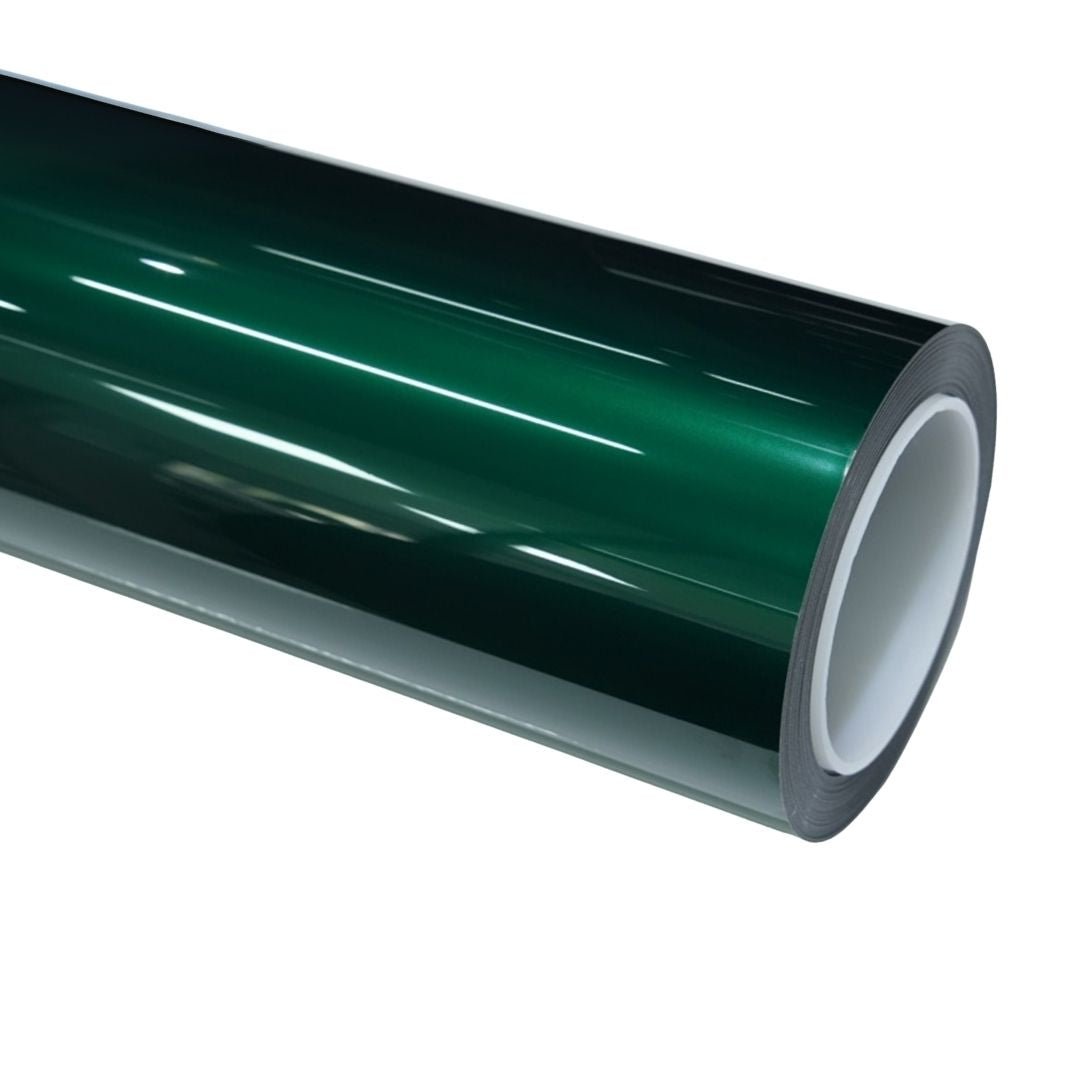
**Metallic and pearlescent wraps** incorporate fine metallic flake or color-shifting pigments for a premium, dimensional look that changes subtly depending on the angle and lighting.
**Chrome wraps** offer the most dramatic, mirror-like finish available, though they typically require the most careful installation and maintenance due to their reflective surface showing every imperfection clearly.
Color Wrap vs. Custom Paint: Which Should You Choose?
This is one of the most common questions we hear. Custom paint is permanent, can achieve certain effects wrap can't fully replicate, and doesn't have an edge or seam anywhere on the vehicle. However, it's significantly more expensive, takes much longer to complete, and — critically — it cannot be undone. Once a vehicle is repainted, the factory finish underneath is gone for good.
A color wrap, by contrast, is fully reversible. If you change your mind about the color, want to switch styles, or need to sell the vehicle in its original color, a wrap can be removed by a professional without damaging the paint underneath (assuming quality film and proper installation and removal). For most owners — particularly those who want flexibility, faster turnaround, and lower cost — wrap is the more practical choice. Custom paint remains the right call mainly for permanent modifications, certain specialty finishes wrap can't achieve, or show vehicles built for a single, final look.
How Long Does a Color Wrap Last?
Quality cast vinyl wrap, properly installed and maintained, commonly lasts five years or more before fading or material degradation becomes noticeable, which is why wraps using premium film are often backed by multi-year warranty coverage. Lifespan depends on several factors: the quality of the film itself, UV and climate exposure, how the vehicle is washed, and where it's parked (vehicles stored outdoors in intense sun will see more stress on the film than garage-kept vehicles).
Lower-grade calendared vinyl, often used in budget wrap jobs, tends to shrink, fade, and lift at the edges considerably faster than cast vinyl — another reason material quality and installer expertise matter as much for wrap as they do for paint protection film.
What to Expect During Installation
A proper wrap installation starts with a deep clean and decontamination of the vehicle's exterior, since any wax, polish residue, or contamination left on the paint will prevent the adhesive from bonding properly. Panels are often partially disassembled — mirrors, handles, and trim removed where practical — to allow the installer to wrap edges cleanly rather than working around obstacles, which produces a noticeably more professional result than wrapping around fixed trim.
The film is then applied panel by panel, using heat guns to help the material stretch and conform to curves, character lines, and recessed areas, with squeegees used continuously to push out trapped air and ensure firm adhesion. Edges are wrapped, tucked, or trimmed depending on the panel design, and the vehicle is typically left to fully cure for a day or more before exposure to washing or heavy weather.
Full-vehicle wraps commonly take several days to complete properly when done right, which is considerably faster than a quality repaint, but still requires patience and a reputable installer who won't rush the process at the expense of a clean finish.
Caring for a Wrapped Vehicle
Hand washing with a soft cloth or sponge and a pH-neutral car shampoo is the safest way to maintain a wrap's appearance. Automated brush car washes should generally be avoided, as the brushes can lift edges or introduce fine scratching, particularly on matte finishes. Touchless washes are a safer alternative when hand washing isn't practical.
It's also worth avoiding parking under trees with heavy sap or bird activity, and cleaning off any contamination — fuel spills, tar, bird droppings — promptly, since prolonged exposure can stain or degrade vinyl film faster than it would affect bare paint.
Common Color Wrap Myths
**"Wrap will damage my paint."** When installed and removed correctly by a trained professional using quality film, wrap does not damage factory paint. In many cases, paint underneath a wrap is better preserved than paint left exposed, since the film itself blocks UV exposure and minor surface contact.
**"Matte wraps can't be washed normally."** Matte wrap can be washed safely — it simply requires avoiding certain wax and shine products designed for gloss surfaces, which can leave a glossy residue on a matte finish.
**"All vinyl wrap is the same quality."** Just like PPF, wrap film quality varies significantly between cast and calendared vinyl, and between manufacturers. This is exactly why genuine, warranty-backed wrap film matters if you want a long-lasting result.
Frequently Asked Questions About Color Wrap
**Can I wrap over an existing wrap?** Generally, old wrap should be fully removed before applying a new one — wrapping over existing film can trap moisture, create an uneven surface, and shorten the lifespan of the new wrap.
**Will wrap interfere with sensors or cameras?** Professional installers know to work carefully around sensors, cameras, and badges, either wrapping around them cleanly or leaving them exposed depending on placement, so functionality isn't affected.
**Is wrap suitable for leased vehicles?** Yes — because it's fully reversible without damaging the original paint, wrap is a popular choice for leased vehicles where owners want a different look without violating lease terms around permanent modifications.
Final Thoughts
A color wrap offers one of the best combinations of visual impact, flexibility, and paint preservation available for vehicle owners who want a new look without a permanent commitment. Choosing quality cast vinyl film, working with an experienced, authorized installer, and following simple care guidelines afterward will help your wrap look sharp for years.
Browse our Color Wrap Film range to explore available finishes, or get in touch with an authorized dealer to discuss the right option for your vehicle.
Partial Wraps vs. Full Wraps
Not every wrap project has to cover the entire vehicle. Partial wraps — covering the roof, hood, mirrors, or a lower rocker panel accent — offer a more affordable way to add a styling touch or two-tone effect without the cost of wrapping every panel. They're a popular middle ground for owners who want some visual customization without committing to a full color change.
Full wraps cover every painted exterior panel, delivering a complete color transformation and the most uniform, factory-like appearance. While the cost is higher than a partial wrap, it also offers more complete paint protection across the vehicle and a cleaner overall look, since there's no contrast between wrapped and unwrapped panels.
Cost Considerations for Color Wrap
Wrap pricing depends primarily on vehicle size, the complexity of the body panels (vehicles with lots of curves, vents, and trim take longer to wrap cleanly than simple, flat-paneled designs), the film quality selected, and whether the job is a partial or full wrap. Cast vinyl, while more expensive than calendared vinyl, is almost always worth the difference for full-vehicle projects given its superior conformability, durability, and resistance to shrinking at the edges over time.
It's worth getting a detailed quote that specifies film brand and grade rather than comparing prices alone, since a cheaper quote using lower-grade vinyl will often need to be redone within a year or two — making the higher-quality option more cost-effective in the long run.
Color Wrap for Business and Fleet Vehicles
Beyond personal styling, color wrap is widely used for business branding and fleet vehicles. A wrap allows a company vehicle to display brand colors, logos, and contact information clearly, functioning as mobile advertising while the vehicle is parked or driven around town. Because the wrap is removable, fleet vehicles can be re-wrapped if branding changes, or have the wrap removed entirely before resale without affecting the vehicle's factory paint or resale value — a major advantage over having fleet vehicles custom-painted.
Final Checklist Before Booking a Wrap
Before committing to a wrap project, it's worth confirming a few key details with your installer: the specific film brand and whether it's cast or calendared vinyl, the warranty terms covering fading, lifting, and cracking, an estimated timeline for the size of your vehicle, and whether trim and badges will be removed for a cleaner finish or wrapped around. Asking these questions upfront helps avoid surprises and ensures you're getting a result that matches the price being quoted.
Ready to Shop Color Wrap Film?
Browse genuine, warranty-backed Color Wrap Film products from our catalog.
Shop Color Wrap Film →