Blog
5 Benefits of Paint Protection Film
18 Jun 2026
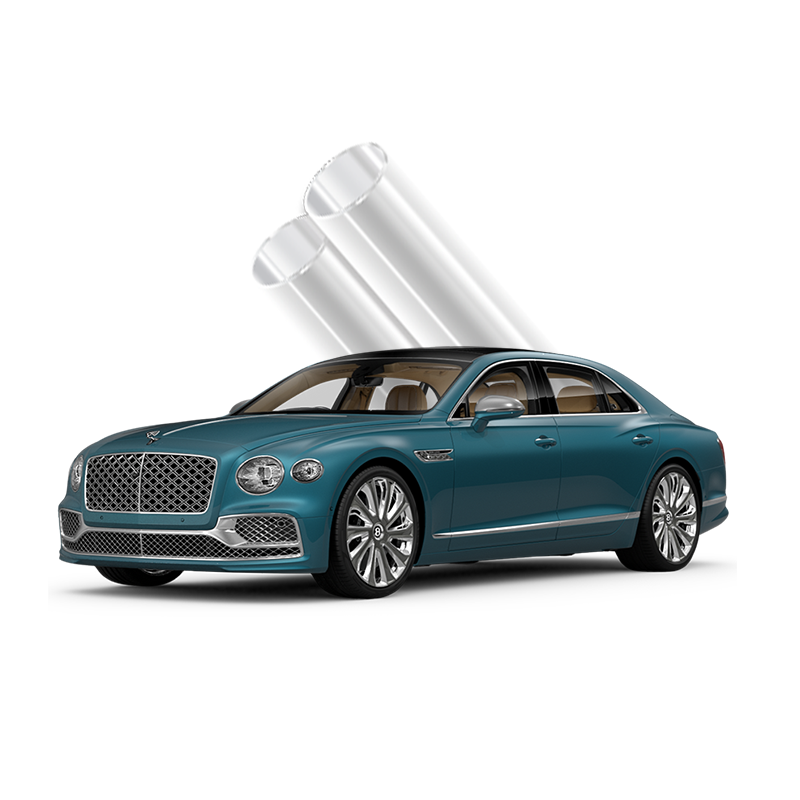
If you've spent any time around car enthusiasts, detailers, or dealerships in the last few years, you've almost certainly heard the term "Paint Protection Film" or "PPF." What used to be a niche upgrade reserved for exotic cars is now one of the most requested services for everyday vehicles too — and for good reason. A factory paint job is more fragile than most owners realize, and once it's damaged, restoring it properly is expensive and time-consuming.
In this guide, we'll walk through exactly what PPF is, why it has become such a popular investment, and the five biggest benefits it offers. We'll also cover how long it lasts, how to choose the right thickness, why professional installation matters, and answer some of the most common questions we hear from customers.
What Is Paint Protection Film?
Paint Protection Film is a thin, transparent layer of thermoplastic polyurethane (TPU) that is applied directly over a vehicle's factory paint. Unlike a wax or ceramic coating, which sits as a microscopic chemical layer on top of the paint, PPF is a physical film with real thickness — typically measured in mils (thousandths of an inch). That physical thickness is what allows it to absorb impacts that would otherwise chip or scratch bare paint.
Modern PPF is engineered with multiple layers: a topcoat that resists staining and yellowing, a base TPU layer that provides flexibility and impact absorption, and an adhesive layer that bonds securely to the paint without damaging it on removal. Premium films use top-shelf materials such as Lubrizol TPU for the film itself and Ashland adhesive for the bonding layer, which is why material sourcing matters so much when comparing PPF brands.
1. Superior Defense Against Chips, Scratches, and Road Debris
The single biggest reason people install PPF is physical protection. Every time you drive, your vehicle's front end is exposed to small stones, sand, gravel, and other debris kicked up by traffic. Over months and years, this constant low-level bombardment causes the kind of paint chipping you see on the front bumper, hood, and mirrors of almost any car that's been driven regularly.
PPF acts as a sacrificial layer. Instead of debris striking the paint directly, it strikes the film. The TPU material is specifically engineered to flex and absorb that impact energy rather than transferring it straight through to the paint underneath. For high-impact zones — the front bumper, hood, fenders, mirrors, and rocker panels — this alone can be the difference between a car that still looks new at 60,000 km and one that looks tired and chipped.
This protection extends beyond stone chips. Light scratches from car washes, parking lot mishaps, shopping carts, and even pet claws are far less likely to reach the actual clear coat when a film barrier is in place.
2. Self-Healing Technology Keeps Your Paint Looking New
One of the most impressive advances in modern PPF is self-healing topcoat technology. Older films would show swirl marks and fine scratches over time, just like clear coat does. Today's premium films use a topcoat that responds to heat — whether from the sun, warm water, or a heat gun — by softening just enough to allow the film's surface tension to pull minor scratches and swirl marks back together.
In practical terms, this means the light marks that accumulate from regular washing, brushing past foliage, or everyday road grime can often disappear on their own after the car sits in the sun or goes through a warm wash cycle. This is a dramatic difference from unprotected paint, where those same marks are permanent unless you polish or repaint the area.
3. Long-Term Protection That Preserves Resale Value
Resale value is one of the most overlooked benefits of PPF. Buyers — whether private parties or dealerships doing trade-in appraisals — pay close attention to paint condition. A vehicle with chip-free, swirl-free paint signals that it has been well cared for, and that perception often translates directly into a better resale price or faster sale.
Because PPF is protecting the clear coat and base paint from the damage that normally accumulates over years of ownership, removing the film (when properly maintained and removed by a professional) frequently reveals paint that looks close to the day it left the factory. For owners who plan to sell or trade in their vehicle eventually, this is effectively a long-term investment that pays for itself.
4. A Virtually Invisible, Factory-Fresh Finish
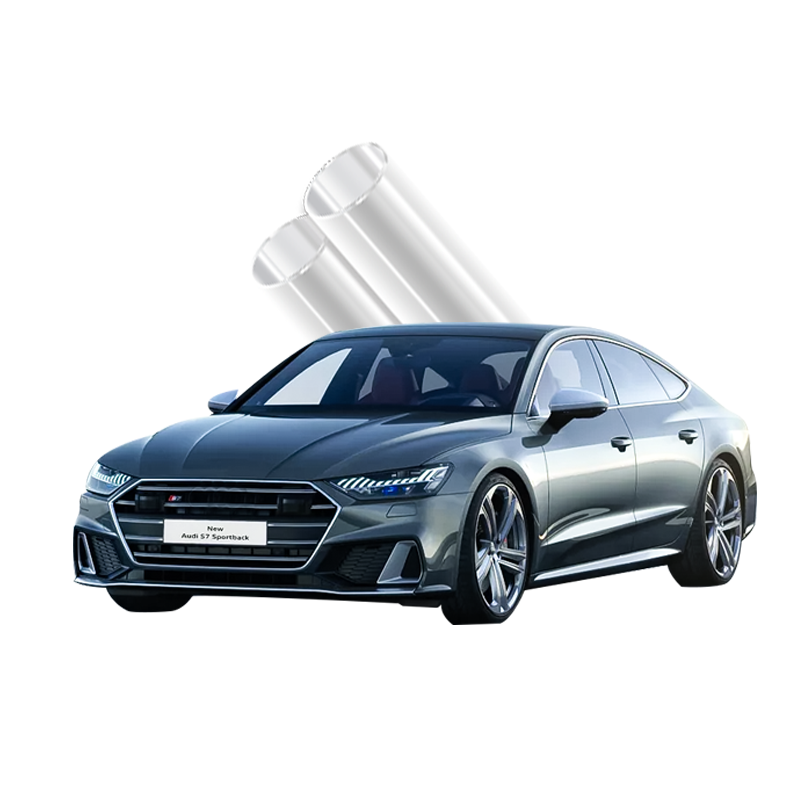
Early protective films had a reputation for visible edges, a slight haze, or an "orange peel" texture that gave away their presence. That reputation no longer applies to modern, professionally installed PPF. High-quality film is optically clear, with a finish that matches the gloss level of the paint underneath so closely that most people can't tell a car has been wrapped unless they look very closely at the panel edges.
This matters because it means you get the protective benefits of PPF without compromising on appearance. The film is designed to be installed with precision-cut patterns that wrap edges cleanly, minimizing visible seams. The result is a vehicle that looks exactly like it did before installation — just far more resistant to the wear and tear of daily driving.
5. Backed By a Real Warranty and Verification System
Buying PPF is also about trust. Because the market includes a wide range of film quality — from premium TPU films to cheaper, thinner alternatives that yellow and crack within a year or two — it's important to know exactly what you're getting and that it's backed by a real guarantee.
That's why every genuine product in our catalog is tied to a unique QR code and barcode that customers can scan or enter on our Verify Product page. This instantly confirms the material specification, batch information, the authorized dealer who installed it, and the current warranty status. Combined with a 10-year warranty covering yellowing resistance, cracking resistance, peeling resistance, and adhesive failure, this gives customers a level of transparency that's rare in the PPF industry.
How Long Does Paint Protection Film Last?
With proper care, quality PPF typically lasts between 7 and 10 years, which is why a 10-year warranty has become the industry benchmark for premium film. Several factors affect how long film performs well in practice:
Climate plays a significant role — vehicles in regions with intense, prolonged UV exposure will naturally see more stress on the topcoat than vehicles in milder climates. Washing habits matter too; harsh chemical degreasers, automated brushes at some car washes, and infrequent cleaning of bonded contaminants like tar and bug residue can shorten the practical lifespan of any film.
Installation quality is arguably the most important factor. A film installed with proper surface preparation, correct tensioning, and clean edge wrapping will perform significantly better and look better for longer than the same film installed poorly. This is one of the main reasons we only work with authorized, trained dealers.
Choosing the Right PPF Thickness
PPF is commonly available in a few standard thicknesses, often labeled in "mil" (thousandths of an inch) — for example 6.5mil, 7.5mil, 8.5mil, 9.5mil, and 10.5mil options. Thicker film generally offers more impact absorption and is often chosen for high-impact areas like the front bumper and hood, while thinner film can be a practical choice for partial coverage or lower-impact panels.
There's a trade-off to consider: thicker films can be marginally less optically transparent and slightly more visible at the edges, while thinner films are easier to install with very clean, low-profile edges but may offer slightly less impact resistance. For most daily-driven vehicles, a mid-range thickness in the 7.5mil to 8.5mil range strikes a good balance between protection and a clean finish, though full-front coverage with a heavier film is increasingly popular for vehicles that see a lot of highway driving.
Professional Installation Matters
Even the best film material will underperform if it's installed incorrectly. Professional installers use specialized tools, precise pattern cutting (often computer-generated for an exact fit to your vehicle's body lines), and controlled environments free of dust and debris that could get trapped under the film.
Proper installation also includes correctly wrapping or tucking edges so they don't catch on car washes or peel prematurely, and using the right amount of adhesive activation so the film bonds securely without bubbling. This is why we only authorize trained dealers to install our products and tie warranty activation directly to that installation record — it protects both the customer and the integrity of the product.
Frequently Asked Questions About PPF
**Does PPF turn yellow over time?** Cheap films often do, especially in hot, sunny climates, because their topcoat lacks proper UV stabilizers. Genuine, premium TPU film with a quality topcoat is specifically engineered to resist yellowing, which is why yellowing resistance is one of the core categories covered under a proper warranty.
**Can PPF be removed without damaging the paint?** Yes, when installed and removed correctly. The adhesive layer is engineered to bond securely during normal use but release cleanly when the film is heated and peeled by a professional, without pulling up clear coat.
**Is PPF the same as a ceramic coating?** No — they solve different problems and are often used together. Ceramic coating is a thin chemical layer that improves gloss, hydrophobic water behavior, and chemical resistance, but offers essentially no protection against physical impacts like stone chips. PPF provides that physical impact protection. Many vehicle owners apply both: PPF on impact-prone panels, and a ceramic coating over the film (and the rest of the paint) for easier cleaning and added gloss.
**Does PPF need special maintenance?** Not really — regular hand washing or touchless washing works well. It's best to avoid abrasive automatic brush washes, and to clean off bug splatter, tar, and bird droppings promptly so they don't bond to the surface.
Final Thoughts
Paint protection film has moved from a luxury add-on to a practical, sensible investment for almost any vehicle owner who wants to keep their car looking newer for longer. The combination of physical impact resistance, self-healing technology, a virtually invisible finish, and a real warranty backed by a verification system makes it one of the most effective ways to protect both the appearance and the resale value of your vehicle.
If you're considering PPF, browse our Paint Protection Film range to see available thicknesses and coverage options, or get in touch with one of our authorized dealers for a consultation tailored to your vehicle.
PPF vs. Ceramic Coating: A Closer Comparison
Customers frequently ask whether they should choose PPF or ceramic coating, as if it has to be one or the other. In practice, they solve different problems and work best together. Ceramic coating is a liquid polymer that bonds to the clear coat at a microscopic level, creating a hard, glossy, hydrophobic surface that makes water and dirt bead up and slide off more easily. It improves shine, makes washing easier, and adds a layer of chemical resistance against bird droppings, tree sap, and mild contaminants.
What ceramic coating cannot do is stop a stone chip, a key scratch, or debris impact — its protective layer, while chemically tough, is microscopically thin and offers no meaningful cushioning against physical force. PPF, with its real measurable thickness and flexible TPU structure, is what actually absorbs that impact energy. Many owners choose to apply both: PPF on the highest-impact panels such as the front bumper, hood, fenders, and mirrors, with a ceramic topcoat applied over both the film and the remaining painted surfaces for a uniform, glossy, easy-to-clean finish across the entire vehicle.
What to Expect During a Professional PPF Installation
Understanding the installation process can help set realistic expectations for timing and results. A typical full installation begins with a thorough wash and decontamination of the vehicle, removing any embedded contaminants, wax, or sealant residue that could interfere with adhesion. The vehicle is then moved into a controlled, dust-free environment, since even small particles trapped under the film can create visible bumps.
Installers use precision-cut patterns — often generated specifically for your vehicle's make, model, and year — to ensure the film follows body lines accurately with minimal trimming required on-site. Each panel is treated with a slip solution that allows the installer to position the film accurately before activating the adhesive, then the film is squeegeed into place to remove trapped air and excess solution, with edges carefully wrapped or tucked depending on the panel design. Finally, the vehicle is left to cure, with full adhesive bonding typically completing over the following several days.
Depending on coverage — partial front-end protection versus a full-vehicle wrap — installation can take anywhere from a few hours to a full day or more. Customers should plan accordingly and avoid washing the vehicle for at least a few days after installation to allow the adhesive to cure fully.
Common Myths About Paint Protection Film
**"PPF makes my car invincible."** PPF significantly reduces the risk and severity of chips and minor scratches, but it is not indestructible. Sharp impacts, deep keying, or major collisions can still damage both the film and the paint underneath. Think of it as a strong first line of defense rather than an absolute guarantee.
**"Once installed, I never need to think about it again."** While PPF is genuinely low-maintenance compared to bare paint, it still benefits from regular washing, prompt removal of bird droppings and tar, and avoiding harsh automated brush washes that can lift edges over time.
**"All PPF is basically the same, so I should just buy the cheapest option."** Film quality varies enormously between manufacturers. Cheaper films often use lower-grade TPU and inferior adhesives that yellow, hwaze, or lift at the edges within a year or two, while premium films using high-grade materials like Lubrizol TPU and Ashland adhesive are engineered specifically for long-term clarity, flexibility, and bond strength — which is exactly why warranty terms differ so dramatically across brands.
Understanding the Cost of PPF and Why It Varies
PPF pricing depends on several factors: the size and complexity of the area being covered, the thickness and quality of the film selected, and the labor involved in precision-cutting and installing it cleanly. Partial coverage — typically the front bumper, partial hood, mirrors, and headlights — is the most affordable entry point and protects the highest-impact areas of the vehicle. Full-front coverage extends protection across the entire hood, fenders, and bumper, while full-vehicle wraps protect every painted panel.
While the upfront cost is higher than a basic wax or sealant, it's worth weighing against the cost of paint correction, partial repainting, or the resale value lost from a chipped, swirl-marked exterior. For most owners, the calculation favors PPF as a long-term cost-saving decision rather than a pure luxury expense.
Is PPF Worth It for Every Vehicle?
While PPF was once mostly associated with high-end and exotic vehicles, it has become a practical choice for everyday cars too — especially for owners who drive frequently on highways with significant debris exposure, live in regions with harsh winters and road salt, or simply want to preserve their vehicle's appearance and resale value for as long as possible. New vehicle owners in particular benefit from applying PPF immediately, before the first stone chip or parking lot scratch has a chance to occur.
Ready to Shop Paint Protection Film?
Browse genuine, warranty-backed Paint Protection Film products from our catalog.
Shop Paint Protection Film →